A good inspection checklist is what stands between you and a security deposit dispute. When you document a unit the same way every time, with photos and a tenant signature, there's no argument later about what was damaged and what was already there.
The checklist below covers every area of a typical rental, from the curb to the water heater. Use it as-is, adapt it to your properties, or skip the paper and run it digitally so every inspection is dated, photographed, and stored automatically.
Walk the unit in this order so nothing gets missed. Photograph anything you check.
The checklist is only half the job. What protects you in a dispute is the documentation around it.
Photograph everything. A checkbox says "damaged." A dated photo shows exactly what and how much. Take pictures of every room at move-in, even the parts that look fine, so you have a baseline to compare against later.
Get both parties to sign. When the tenant signs the move-in report, they're agreeing to the unit's condition on day one. That signature is what ends most he-said-she-said arguments before they start.
Compare move-in to move-out side by side. The whole point of a move-out inspection is the comparison. Line the two reports up, mark what changed beyond normal wear and tear, and you have a clean, defensible basis for any deposit deductions.
Keep it consistent. Same checklist, same order, same photo standards on every unit. Consistency is what makes your documentation credible if it ever gets challenged.
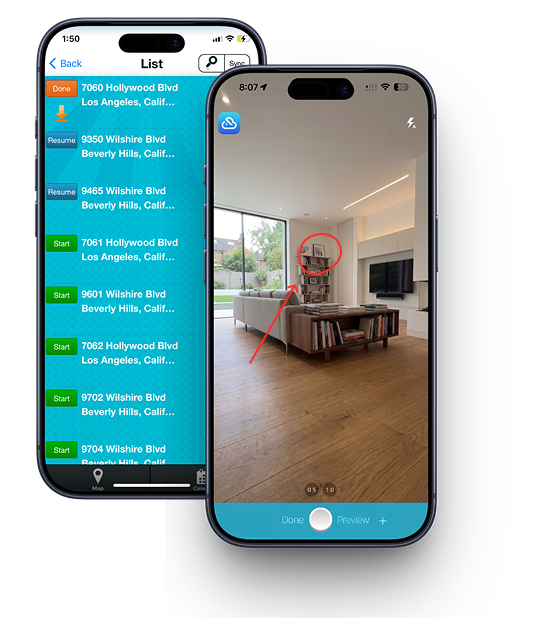
InspectCloud runs this exact checklist on any phone or tablet and does the tedious parts for you.
Check a box, snap a photo, capture a tenant signature. Everything drops into a clean, branded PDF report automatically.
Pick two inspections and the software highlights every difference in a side-by-side comparison. What used to take 20 to 30 minutes per unit takes about three seconds.
Resident Inspection lets tenants complete their own move-in inspection on their phone, so the documentation exists before a dispute ever comes up. It's included with every plan.
Every room plus the exterior, the major systems (HVAC, water heater, electrical, plumbing), safety items like smoke and carbon monoxide detectors, appliances, and a final walkthrough with meter readings, keys, photos, and signatures. The nine sections above cover a typical unit.
At minimum, a move-in and a move-out inspection for every tenancy. Most property managers also run a routine inspection once or twice a year to catch maintenance issues early. Always follow your local notice requirements before entering.
A move-in inspection records the unit's condition before the tenant takes possession and becomes your baseline. A move-out inspection documents the condition when they leave. Comparing the two, beyond normal wear and tear, is what determines any fair deposit deductions.
For a routine inspection of an occupied unit, most states require advance written notice, often 24 to 48 hours. Move-in and move-out inspections are usually scheduled with the tenant. Check your state and local landlord-tenant laws for the exact rules.
Yes. InspectCloud runs this checklist on any phone or tablet, adds photos and signatures, and generates a branded report you can email to owners instantly. You can try it free and run your first inspection the same day.
Try InspectCloud free. Build your checklist, inspect from your phone, and email a professional report before you leave the property.